Home
Residences
Experience
Menu
Policies
General Policy
Parent / Guardian Guest Room Policy
Room Vastu & Interior Customisation Policy
Airport Pick-Up & Drop Policy
Payment Policy
Food Menu & Kitchen Policy
Housekeeping Policy
Laundry Policy
AC Maintenance & Service Policy
Care of Building, Common Areas & Rooms Policy
Conduct & Behaviour Policy
Save Natural Resources – Water & Electrical Consumption Policy
Meal Reservation Policy
In-Room Etiquette & Room Policy
Medical Emergency Policy
Fire & Lift Safety Advisory
Security & Safety Policy
Wi-Fi & Internet Usage Policy
View all →
FAQ
Contact
+91 99100 62493
Reserve
Return to Journal
The Journal · Edition 81
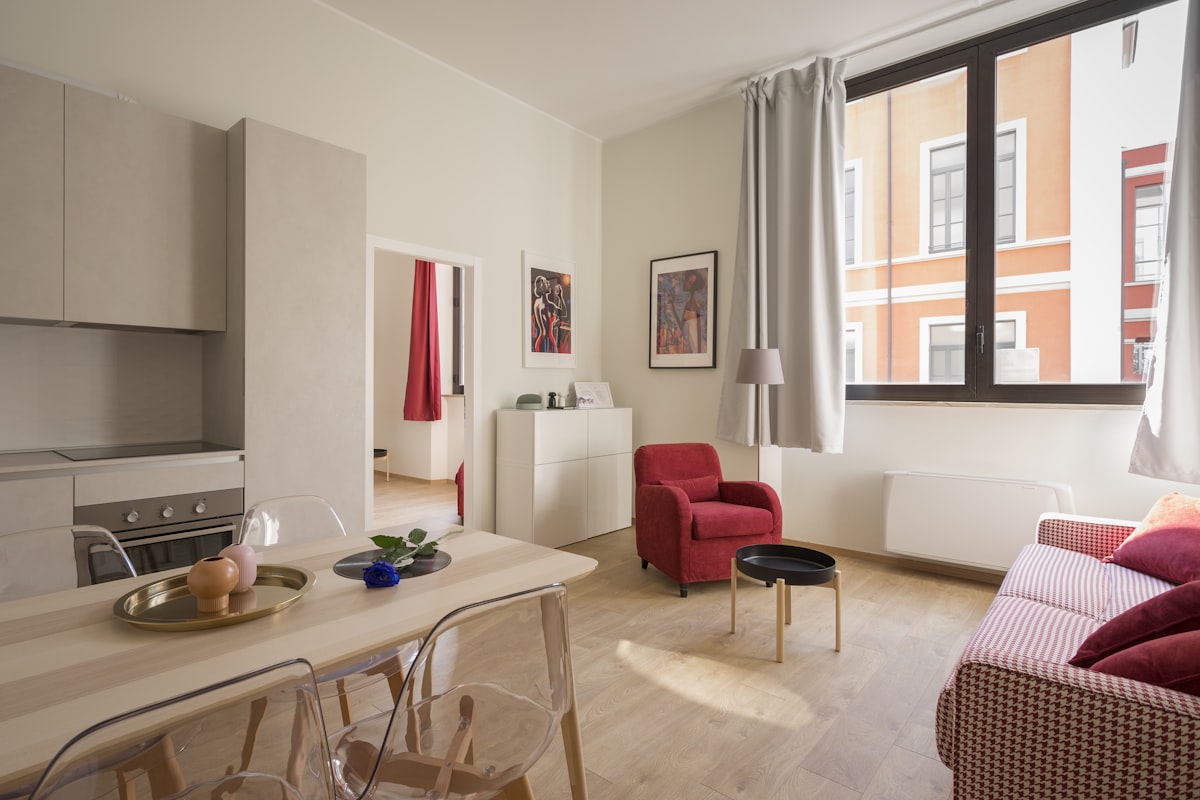
What Is a Walk-Up Apartment? Benefits, Costs, and
Tips Explained
Ashray Curators
01 Dec 2025
4 min read
Filed under · The Ashray Journal
Source ↗
← Previous Chapter
What Are Utilities in an Apartment? A Complete Guide for Renters
Next Chapter →
What is Renters Insurance? A Complete Guide to Protecting Your Belongings
Continue Reading
The Archive
11 Oct 2021
Instagram captions for roommates
04 Oct 2021
PG VS FLAT: Which is better?- The Complete Guide
01 Jan 2024
Cost of Living in Delhi: Rent, Food & Expenses Guide
Journal Index
Explore all 99 essays from The Ashray Journal
Instagram captions for roommates
|
PG VS FLAT: Which is better?- The Complete Guide
|
Cost of Living in Delhi: Rent, Food & Expenses Guide
|
DU To Open Its Gate From February
|
Best Apps Every PG Resident in Delhi Should Have in 2026
|
The Comprehensive Guide to a Stress-Free PG Shift
|
The Importance of Healthy Food in a PG: Why It Matters
|
Why You Must Read the Terms and Conditions Before Moving to a PG
|
Must Visit Malls in Delhi
|
How to Beat the Heat at Home: Simple and Effective Ways to Stay Cool
|
Tips on How to Plan Your Financial Year Effectively
|
What Is a Unisex PG? Comfortable & Secure Shared Living
|
What Is Gender-Specific PGs? A Complete Guide for Students & Professionals
|
Can Your Landlord Show Your Apartment Before You Move Out?
|
How to Pay Rent: The Complete Guide to Hassle-Free Rent Payments
|
Can You Cancel a Lease Before It Starts? Your Essential Guide to Early Lease Termination
|
Unisex PGs vs Gender-Specific PGs: Which One Is Right for You?
|
What Are Utilities in an Apartment? A Complete Guide for Renters
|
What Is a Walk-Up Apartment? Benefits, Costs, and Tips Explained
|
What is Renters Insurance? A Complete Guide to Protecting Your Belongings
|
How to Deal with Noisy Neighbors: Strategies and Solutions
|
Types of Co-Living Spaces
|
Short-Term Rental vs. Long-Term Rental: Which Is Right for You?
|
Rental Scams in India: How to Spot and Avoid Them
|
Why Co-living Is the Future of Urban Living in India
|
What is Time Management? 2025 Guide to Boost Productivity
|
10 Coliving Lifestyle Tips to Help You Have the Best Experience Possible
|
Lease Agreement: Meaning, Format, and Key Details in India
|
Benefits of Co-Living: Affordable, Flexible Living
|
What Is Coliving? A Simple Guide in 2025
|
Self-Care Essentials for College Students
|
Best PG in Roop Nagar
|
Best PG in Malka Ganj
|
How to Manage Your Budget as a Student
|
Top 10 DU Colleges in Saket
|
Can PG Rent Be Claimed as HRA in 2025?
|
Cost of Living in Bangalore: A Comprehensive Guide
|
How to Make Sure Your Child\u2019s PG in Delhi Is Truly Safe
|
How to Balance Study & Personal Life While Living in a PG
|
Reasons Why Gen-Z & Millennials Favor Co-Living Spaces
|
Stress Management Techniques for PG Life
|
Reasons PG Students Should Make Time for Exercise
|
Budget-Friendly PG Room Decor Ideas
|
PG Health Hacks: Easy Tips for Nutrition and Exercise
|
Legal Rights of PG Tenants: What You Should Know
|
Reasons Why Hostel Life Is Better Than Just Living at Home
|
What to Expect When Moving to a PG in a New City
|
Common Problems Faced by PG Tenants and How to Solve Them
|
Pros and Cons of Co-Living Spaces vs. Traditional PGs
|
Top 5 Mistakes to Avoid When Choosing a PG Accommodation
|
Why PG Accommodation is a Popular Choice for Young Professionals
|
How to Find Affordable PGs in Delhi \u2013 A Complete Guide
|
How to Deal With Roommates in a PG
|
Tips to Maintain a Good Relationship with Your PG Owner
|
Single vs Double vs Triple Sharing: Choose the Right PG
|
Essential Amenities to Expect in a Modern PG
|
A Local's Guide to North Campus, Delhi University
|
Exploring the Best Museums in Delhi: A Journey Through Time and Culture
|
Best Places For Coffee Lovers In Delhi
|
Best Unisex Gyms in North Campus
|
Top 15 Nightclubs in Delhi
|
PG vs Hostel: Which One is Better?
|
Questions To Ask When Looking For Accommodation?
|
Explore The Best Movie Theatres in Delhi NCR
|
Top 15 Cafes in Delhi You Must Visit
|
Pocket-Friendly Shopping Spots in Delhi NCR
|
Things To Avoid When Staying in PG
|
Benefits of Choosing a PG Room
|
Best Places To Visit in Delhi
|
Top Hospitals in Delhi
|
A Guide To Hostel Etiquette - What To Do and What Not To Do?
|
Best BYOB in Delhi NCR For Perfect Outing
|
Best Gift Ideas For Your Roommate
|
Why is Co-living Better Than PG?
|
Tips for First-Time PG Seekers: A Comprehensive Guide
|
Essential Things Needed While Moving to a PG for Boys & Girls
|
Things to Do When You Are Bored at PG
|
Best Board Games to Play in a PG
|
Pros and Cons of Living In a College Dorm
|
Is It Cheaper to Live Off-Campus or in a Dorm?
|
Co-living vs Hostels: Which One is Right for You?
|
Things to Keep in Mind While Signing the House Rental Agreement for a PG
|
Things to Consider Before Turning Your Home into PG Accommodation
|
How to Create a Cleaning Schedule for Flatmates
|
How to Save Money While Staying in a PG
|
How PG Living Boosts Networking & Social Connections
|
Places to Try Street Food in Delhi
|
Best Girls PG Near Law Faculty
|
Best Library in Delhi
|
Exploring the Green: The Best Parks Near North Campus, Delhi University
|
Hostel Essentials for Girls
|
The Ultimate Guide to Choosing the Right PG in Delhi: What to Look For
|
Instagram captions for roommates
|
PG VS FLAT: Which is better?- The Complete Guide
|
Are You Feeling Lost In A New City?
|
Helpful Books Every College Student Must Read
|
Time Management Tips for College Students
|
Reasons to Choose Delhi University
|
DU Looks to Open Up Colleges
WhatsApp